

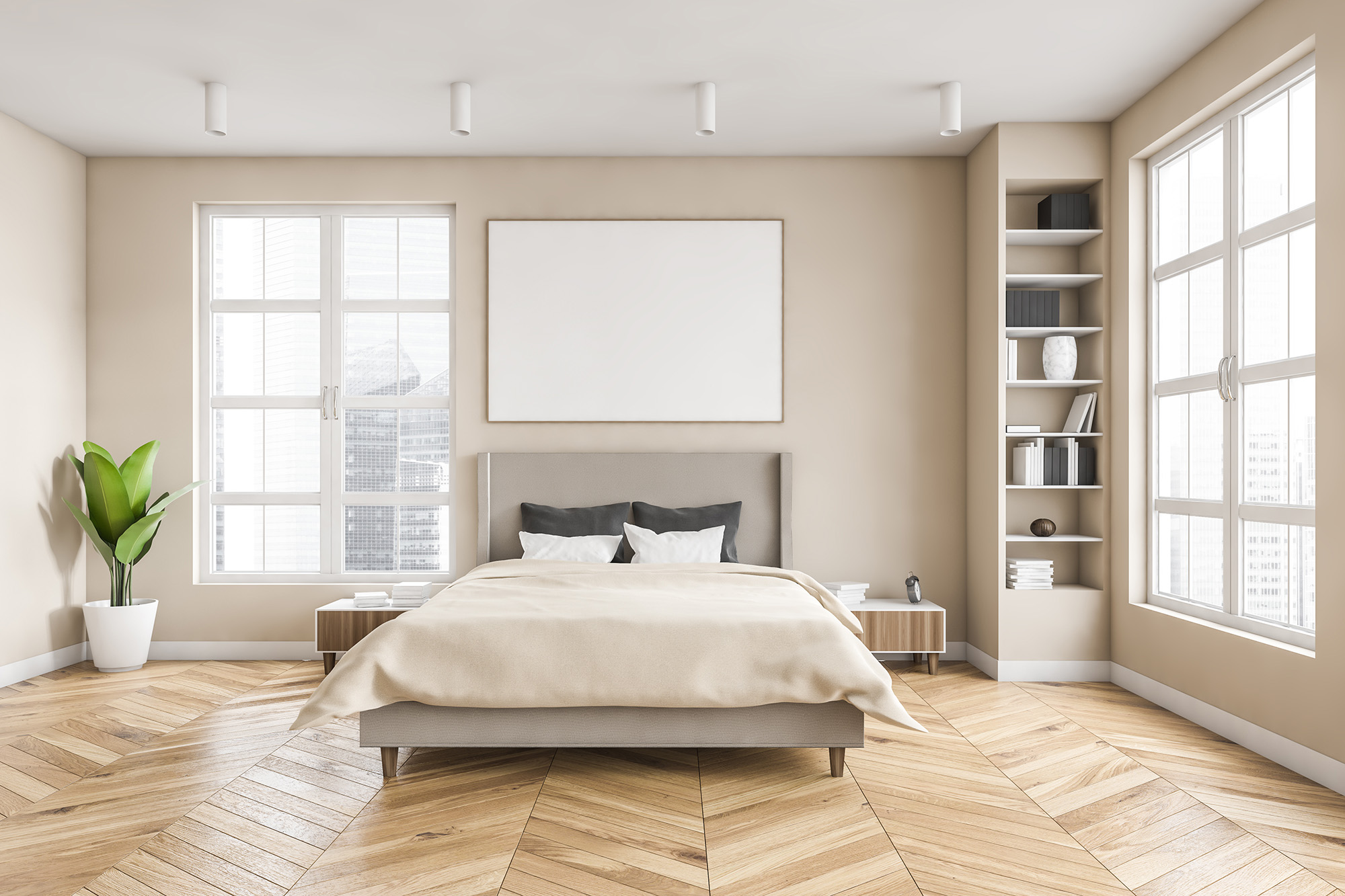
Small rooms can sometimes feel tight or closed in, but the right flooring choice can completely change that perception. Hardwood flooring is one of the most effective ways to improve how a space looks and feels.
Creating the Illusion of More Space
Hardwood flooring naturally draws the eye across a room in a continuous flow. Unlike busy patterns or heavy textures, wood grain creates subtle movement that makes spaces feel larger than they are. This visual continuity is especially helpful in smaller bedrooms, offices, or living areas.
Choosing the Right Color Tone
Color plays a major role in how spacious a room feels. Lighter hardwood tones such as natural oak or soft maple help reflect light and open up the space. Medium tones add warmth without making the room feel closed in, while darker tones can create contrast but may make smaller spaces feel more compact if overused.
Board Width and Room Proportion
The width of hardwood planks also affects perception. Wider planks reduce visual lines and create a more open look, while narrower planks add detail but can make a room feel busier. In smaller spaces, wider boards often help achieve a cleaner and more spacious appearance.
Lighting and Floor Interaction
Hardwood interacts with natural and artificial light in a way that enhances depth. Sunlight bouncing off the floor can brighten the entire room, while warm indoor lighting brings out the natural tones in the wood. This interaction helps small rooms feel more inviting and balanced.
Furniture and Layout Harmony
The way furniture is arranged on hardwood flooring also impacts space perception. Simple layouts with fewer visual breaks allow the flooring to remain a strong design feature. This helps create a cohesive flow that makes small rooms feel more open and organized.
Hardwood flooring is not just a design choice. It is a tool that can visually expand small rooms and improve overall comfort in Amarillo homes.
If you are ready to explore hardwood flooring options for your home, connect with Ingrams Flooring.